Is It Too Late to Have Your Chimney Swept? What Ottumwa Homeowners Should Know
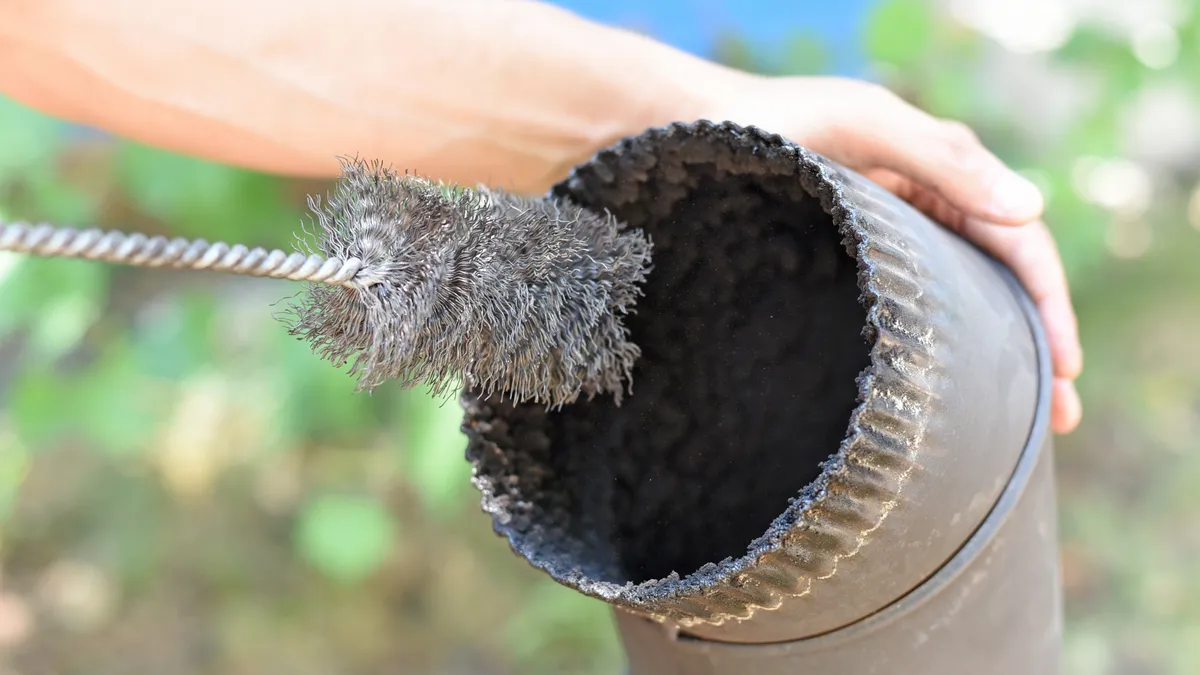
No, October isn't too late to have your chimney swept. Fall is when many homeowners start thinking about lighting the fireplace or firing up the wood-burning stove again. The catch is that chimney professionals may be busier as temperatures drop. If you haven't had your chimney inspected since last heating season, it's worth scheduling a visit before you build your next fire or start up the stove.
That doesn't mean every chimney needs a cleaning every October. The right timing depends on how much you've used it, what you've burned, and what an inspection finds.
Why Fall Is a Popular Time for Chimney Sweeping
After months without a fire, it's easy to forget about the chimney. Then the first cold evening arrives, and suddenly a fire sounds pretty good.
A chimney does more than let smoke escape. It helps carry combustion gases out of the house. Over time, wood-burning fires can leave soot and creosote inside the flue. Creosote is combustible, and heavy deposits increase the risk of a chimney fire.
Summer can bring other surprises. Birds or small animals may find an uncapped chimney inviting. Leaves, twigs, and other debris can also obstruct the flue. Moisture may damage masonry, flashing, or the chimney crown.
An inspection before heating season helps catch these problems before you rely on the chimney during our cold Iowa winters.
Do You Need a Sweep Every Year?
It's useful to separate inspection from cleaning. Chimneys, fireplaces, wood-burning stoves, and their venting systems should be inspected at least annually. Cleaning is performed when soot, creosote, or other deposits warrant removal, or when an obstruction is present.
If you burn wood regularly, you may need cleaning more often than someone who lights an occasional fire. Burning damp or unseasoned wood, having poor airflow, or operating a wood stove at low temperatures can contribute to faster creosote accumulation.
If you haven't used the fireplace or wood stove in years, don't assume the chimney or stove pipe is clear. Animals, moisture, and deterioration can create problems even when no fires have been burning.
A qualified chimney professional can tell you what the flue actually needs instead of guessing based on the calendar.
Signs Your Chimney May Need Attention
Some clues are obvious, while others are easy to miss:
- A strong smoky or tar-like smell around the fireplace or wood stove.
- Smoke entering the room instead of moving up the chimney or stove pipe.
- Flaky black material or heavy deposits visible around the damper or firebox.
- Scratching, chirping, or other signs of animals in the chimney.
- Water stains near the fireplace, chimney breast, or ceiling.
- Loose bricks, crumbling mortar, or a damaged chimney cap.
These symptoms don't all mean you need a sweep. A smoke problem, for example, could involve a blockage, an improperly operating damper, or another draft issue. Water stains may point toward flashing or masonry repairs.
If smoke is coming into the house, or you suspect a blockage or chimney fire, stop using the fireplace or wood stove until a professional has checked it. Make sure working carbon monoxide alarms are installed as well.
What Happens During a Chimney Inspection?
For a chimney that has been used normally and hasn't undergone major changes, a professional may recommend a Level 1 inspection. This generally covers the readily accessible parts of the chimney, fireplace, or wood stove, checking the basic structure, connections, and whether the flue appears clear.
A Level 2 inspection is more involved. It may be appropriate after a chimney fire or significant operating problem, after certain changes to the system, or during a property sale or transfer. It typically includes additional accessible areas and video scanning of the flue interior.
A chimney sweep and an inspection aren't necessarily the same service. Some companies bundle a basic inspection with cleaning; others price them separately. Ask what's included before booking.
A professional may also check the chimney cap, crown, flashing, and visible masonry. If a problem is found, ask for an explanation and photos when possible.
Is It Safe to Use the Fireplace or Wood Stove Before the Appointment?
If your chimney or wood stove vent hasn't been inspected in a year, the safer choice is to schedule that inspection before lighting a fire. This is especially important if you don't know the chimney's history, have noticed smoke problems, or suspect an animal or debris is inside.
Don't try to burn out creosote with an unusually hot fire. That can create a dangerous chimney fire rather than solve the problem. Chimney-cleaning logs are not a substitute for inspection and necessary mechanical cleaning.
Once the system has been checked and is ready to use, burn properly seasoned wood, follow the manufacturer's instructions for your fireplace or wood stove, and keep combustible items away from the hearth.
What If You've Already Started Using Your Fireplace or Wood Stove?
You can still schedule a chimney inspection and cleaning during the heating season. There's no rule that the work has to happen before the first frost.
Tell the chimney company whether you have a traditional fireplace, a fireplace insert, or a wood-burning stove, how often you use it, and whether you've noticed any problems. Wood stoves have connecting stove pipes and venting that may also need inspection and cleaning. The fireplace or stove and its venting need to be completely cool before service, so ask how long you should avoid lighting a fire before the appointment.
In Ottumwa, cold weather can arrive well before the calendar says winter. Booking earlier may give you more flexibility, but a midseason appointment is better than ignoring a possible problem until spring.
What Does Chimney Sweeping Cost in Ottumwa?
The price depends on the chimney's design, accessibility, condition, and whether the visit includes an inspection. Cleaning a wood stove pipe or a straightforward fireplace flue is different from removing an animal nest, investigating a damaged liner, or addressing extensive creosote buildup.
Rather than relying on a generic price you find online, ask a local provider:
- Is the inspection included in the sweeping price?
- What type of inspection is being performed?
- Are there additional charges for multiple flues, steep roofs, or unusual access?
- Will you explain any recommended repairs before doing extra work?
- Can you provide photos of any damage or heavy deposits?
Be cautious about a quote that seems unusually low if the company won't explain what the visit includes. The goal is to understand the condition of your chimney, not just get a brush run through it.
Don't Forget the Chimney Above the Roof
Sweeping deals primarily with the inside of the flue, but the exposed portion of the chimney matters too. Ottumwa's rain, snow, and freeze-thaw weather can be hard on masonry.
Crumbling mortar between bricks may need repointing, often called tuckpointing. A cracked crown or failing flashing can allow water inside. A properly fitted chimney cap helps keep rain, debris, and many animals out.
Those repairs are separate from routine sweeping, and not every chimney needs them. They're simply worth asking about if the inspection reveals damage.
The Best Time Is Before You Need the Fireplace
Late summer and early fall can be convenient times to schedule chimney maintenance, but October isn't a missed deadline. Even if winter has already arrived, it's worth checking a chimney that hasn't been inspected recently.
If you're in Ottumwa or a nearby community and want to find out whether your chimney needs cleaning, an inspection, or a repair, you can request to be connected with a chimney professional. Ask what's included in the visit and what it will cost before scheduling.
A little attention now can help you enjoy your fireplace or wood stove with fewer surprises when the cold weather settles in.